Most vacation photos end up looking like every other snapshot taken at the beach; flat and forgettable. You want your coastal photography to stand out, capturing the magic of the shore in a way that feels fresh and vibrant. In this guide, you’ll find simple vacation photo tips that show you how to take photos at the beach with skill and style, helping you create the best vacation photos to treasure forever. Learn more here.
Mastering Coastal Photography

Getting the perfect beach shot isn’t just about pointing and clicking. It starts with knowing the right time and having the right gear. Let’s dive into the details!
Best Time for Beach Shots
Timing is everything when it comes to photography. The early morning light, often referred to as the “golden hour,” offers a soft, warm glow that makes your photos pop. This time of day gives you the chance to capture the beach when it’s less crowded and the light is just right. In the evening, the setting sun casts long shadows and creates stunning silhouettes, adding drama to your shots.
If you’re looking to capture vibrant colors and mood, sunrise and sunset are your best friends. Not only do they provide beautiful lighting, but they also offer a peaceful atmosphere that can inspire creativity. So, make it a habit to set your alarm early or stay a little late to catch these perfect moments.
For more insights on the best times to shoot, check out this helpful guide.
Essential Gear for the Coast
Having the right gear can transform your beach photos from basic to breathtaking. Start with a sturdy tripod. On windy days, it keeps your camera steady, ensuring sharp images. A polarizing filter is another must-have. It reduces glare from the water and boosts the colors in your photos.
Don’t forget a lens hood to shield your lens from direct sunlight, which can cause unwanted lens flare. While you’re packing, consider adding a waterproof bag to protect your equipment from sand and spray. These tools might seem simple, but they make a big difference in your results.
For a deeper dive into essential gear, explore these expert recommendations.
Capturing Stunning Beach Moments
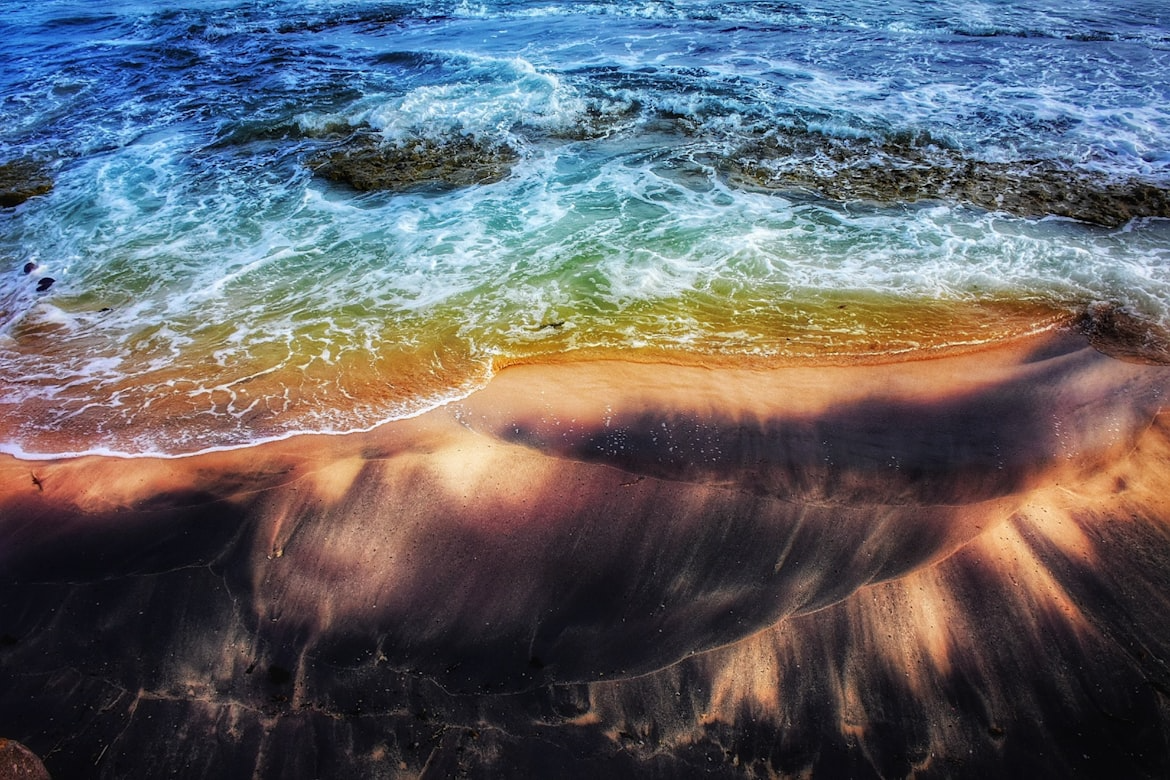
Once you’ve got the timing and tools down, it’s time to focus on capturing those unforgettable beach moments. The right composition can turn a simple scene into a captivating story.
Composition Techniques
Composition is the art of arranging elements in your photo. To start, try the rule of thirds. Imagine your frame divided into nine equal parts. By placing subjects along these lines or at the intersections, your photos will have better balance. Leading lines, like footprints or waves, guide the viewer’s eye through the image.
Consider different perspectives to create interest. Get low to capture reflections in the sand, or climb higher for a bird’s-eye view. Each angle tells a unique story. Remember, the beach offers endless possibilities, so play around and find what works best for you.
Utilizing Natural Light
Natural light is your best tool for beach photos. Midday sun can be harsh, creating strong shadows. Instead, aim to shoot when the sun is lower in the sky. This softer light adds a magical touch to your images.
When shooting photographs of people, position them with the sun to their side to avoid squinting faces and harsh shadows. For landscapes, let the light highlight textures and colors. By understanding how to work with natural light, you can create photos that truly capture the essence of the coast.
For more tips on using natural light, see this detailed article.
Editing Your Coastal Photos

With your stunning shots in hand, the next step is editing. This is where your photos can go from great to amazing, bringing out the full potential of your coastal captures.
Basic Editing Tips
Editing doesn’t have to be complicated. Start with cropping to improve composition and remove distractions. Adjust the brightness and contrast to make your images pop. A slight increase in sharpness can also enhance details.
Experiment with these basic adjustments to see what appeals to you. Remember, the goal is to enhance, not alter your original photo completely. With practice, you’ll find a style that suits your vision.
Enhancing Colors and Textures
To make your beach photos stand out, play with colors and textures. Boost the vibrancy to make the blues of the ocean or the warm hues of the sand come alive. A touch of saturation can make your images feel more lifelike and engaging.
When working with textures, such as sand or clouds, use clarity to bring out the details. These small tweaks can dramatically change the feel of your photo, making it a true piece of art. Keep experimenting and you’ll find the perfect balance for your style.
For more advanced editing techniques, check out this tutorial.
By mastering these tips, you’re not just taking photos; you’re capturing memories that will last a lifetime. Whether you’re a seasoned photographer or just starting out, these strategies will help you create the best vacation photos to treasure and share.