Finding truly fresh seafood feels like chasing a moving target. You might think the fish at your local market is fresh, but do you know the signs that prove it? This guide breaks down how local fishing seasons and sustainable seafood sourcing can help you spot the best catch, along with simple cooking techniques for seafood that bring out its natural taste. Stick around—your next meal could taste like it was pulled straight from the ocean today. For more tips, check out this guide on sustainable seafood purchasing.
Finding Fresh Seafood
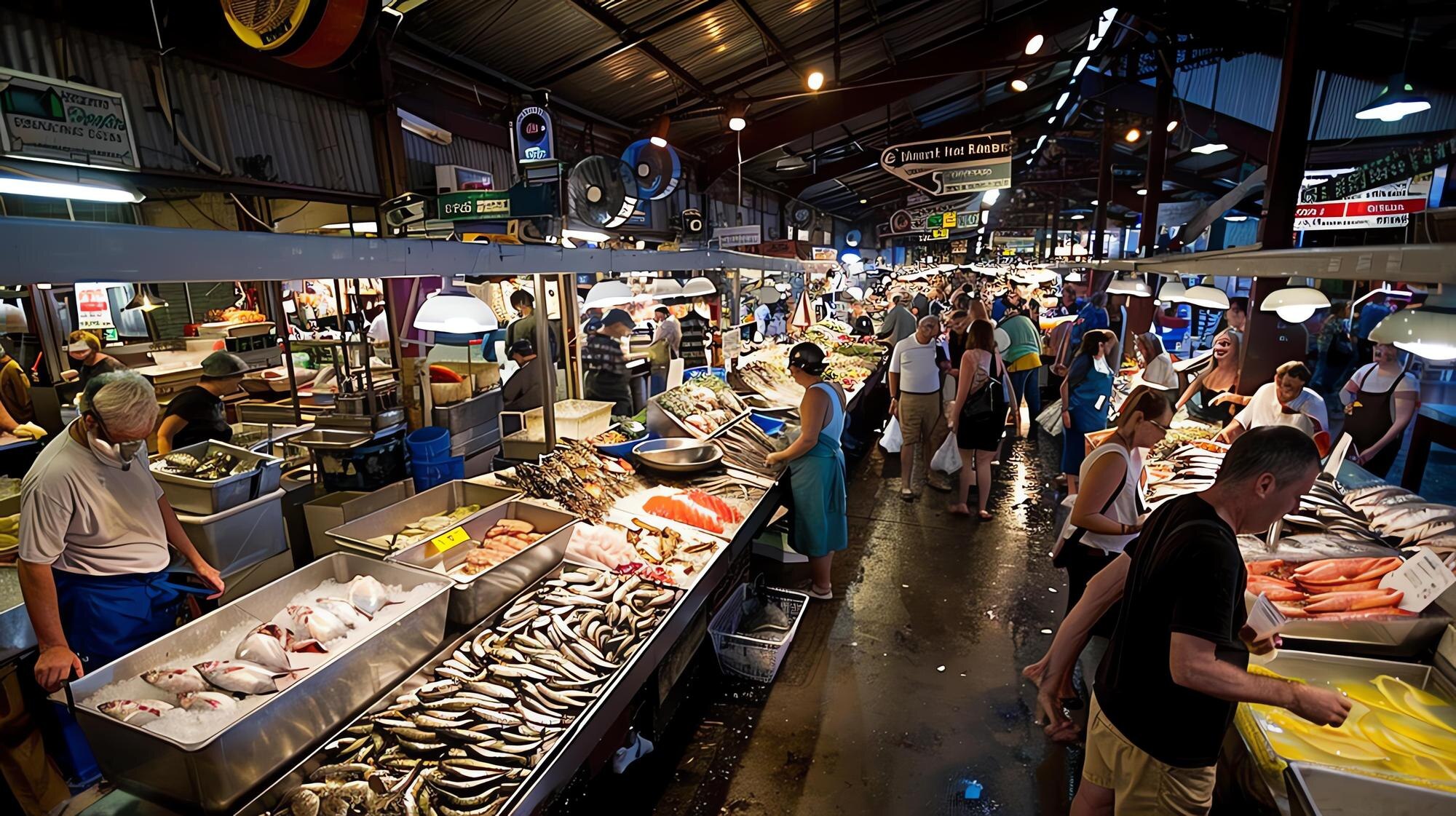
Getting your seafood fresh is key to enjoying every bite. Let’s explore how to ensure your seafood is top-notch by diving into local fishing seasons, sustainable sourcing, and marketplace tips.
Local Fishing Seasons
Understanding when fish are in their prime is crucial. Local fishing seasons vary, affecting the freshness of your seafood. By aligning your purchases with these seasons, you increase the chances of getting the freshest catch.
Most fish have peak seasons when they are abundant. During these times, the fish are healthier and tastier. For instance, salmon runs peak from May to September. Buying during this window ensures better quality. Familiarize yourself with local calendaring to make informed choices, which will lead to a delightful dining experience.
Sustainable Seafood Sourcing
Choosing sustainably sourced seafood not only benefits the environment but also your palate. Sustainable methods ensure fish populations remain healthy. This means future generations can enjoy seafood too. You can identify sustainable options by looking for eco-labels or certifications on packaging.
Many resources are available to help you make the right choice. Websites like this guide from NOAA offer insights into eco-friendly seafood. By supporting sustainable practices, you savor delicious seafood while protecting the planet.
Seafood Market Tips
Shopping smartly at seafood markets enhances your chances of getting fresh goods. First, trust your senses. Fresh fish should have a clean, ocean-like smell, not a fishy odor. The eyes should be clear, not cloudy, and the flesh should be firm to the touch.
Another tip is to engage with the fishmonger. Ask about the catch date and origin. They can provide valuable insights into the freshness of their offerings. Building a relationship with your fishmonger can also lead to insider tips on the best times to buy.
Cooking Techniques for Seafood
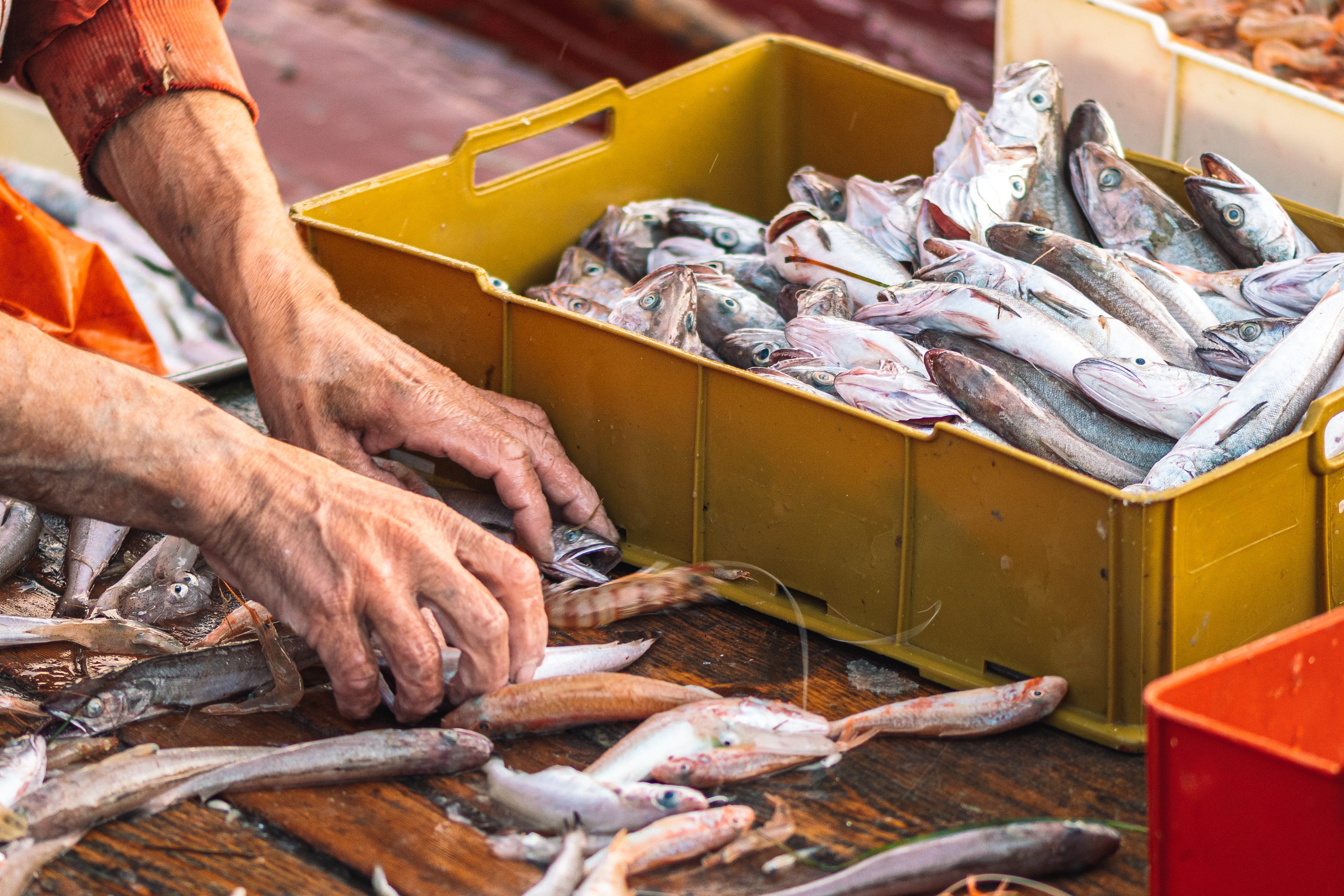
Once you’ve secured fresh seafood, it’s time to cook it right. Proper techniques enhance the flavors and ensure a satisfying meal. Let’s explore the signs of freshness and ways to highlight natural flavors.
Signs of Fresh Fish
Knowing what to look for in fresh fish is vital. Clear eyes and firm flesh are key indicators of freshness. Dull eyes or a mushy texture often suggest the fish isn’t fresh. These signs help you avoid disappointment at dinner time.
The color of the fish is also a clue. It should be bright and vibrant, not dull or grayish. Fresh fish will also have a slight ocean scent, not a pungent fishy smell. Trust these cues to ensure your seafood is the best it can be.
Highlighting Natural Flavors
Enhancing the natural taste of seafood is simpler than you might think. Start with minimal seasoning. Let the fish’s inherent flavors shine through. A sprinkle of salt and a squeeze of lemon can be enough to elevate your dish.
Cooking methods matter too. Grilling and steaming are excellent options. They preserve taste without overpowering the seafood. For instance, grilling a salmon fillet with just olive oil and lemon creates a savory, fresh dish. Experiment with different methods to find your favorite flavor profiles.
Seafood Cooking Advice
Cooking seafood requires a gentle touch and a bit of knowledge. First, avoid overcooking. Fish cooks quickly, so watch it closely. Overcooking can lead to a dry dish, losing its juicy appeal.
Secondly, match your cooking style to the type of fish. For delicate fish, like flounder, a light sauté with butter works wonders. Heartier fish, like tuna, can handle grilling. Crafting the right match enhances your meal’s enjoyment.
Expert Insights
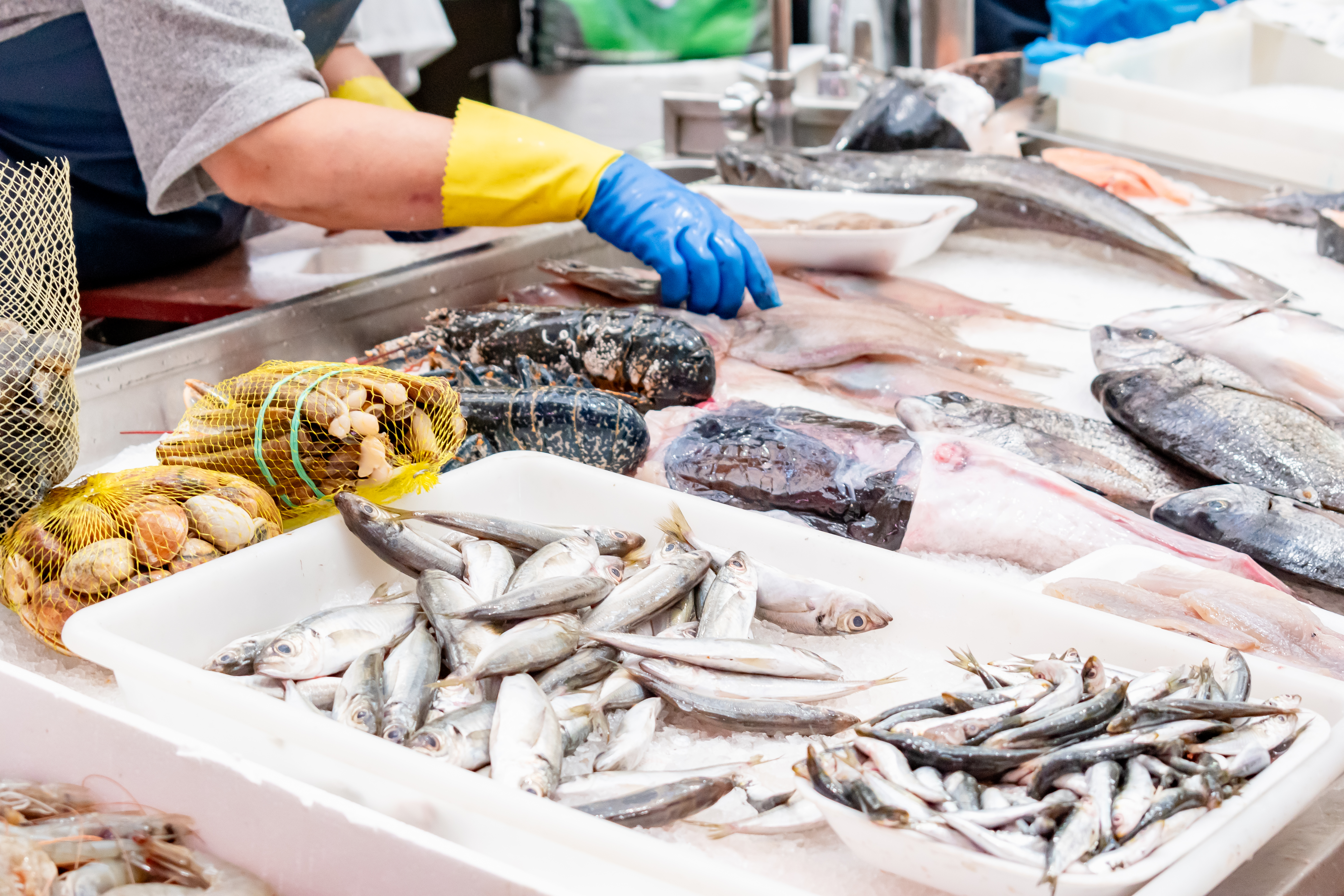
Now, let’s delve into some expert insights to enrich your seafood culinary journey. From fishermen’s tips to chef secrets, these insights will help you master seafood at home and decide when dining out.
Local Fishermen’s Tips
Fishermen know the sea, and their tips can guide you to the best catches. They often recommend buying fish caught that day, ensuring maximum freshness. Local markets frequently have fish straight from these fishermen, offering you the best selection.
Chat with local fishermen to learn about their practices. They can share which seasons are best for certain fish and how to identify the freshest options. This connection brings you closer to the source, enriching your seafood experience.
Chef’s Cooking Secrets
Chefs have tricks to bring out seafood’s best. One secret is to use herbs like dill and parsley to complement fish flavors. These herbs add freshness without overpowering the dish.
Another tip is to pair seafood with seasonal ingredients. This not only elevates the taste but also supports local farmers. Chefs often emphasize simplicity, letting the fish be the star. Try incorporating these expert tips into your cooking for an elevated meal.
Dining Out vs. Home Cooking
Deciding between dining out and cooking at home can be tough. Dining out offers expertly prepared dishes you might not attempt. However, cooking at home gives you control over ingredients and preparation.
Most people think dining out always offers better quality, but that’s not always true. Cooking at home allows for experimenting with flavors and techniques. It’s a chance to impress your family and enjoy a personalized seafood feast. Whether dining out or staying in, both options have unique perks.
By understanding these elements of seafood sourcing and cooking, you’re well on your way to enjoying the freshest flavors from the sea. Dive into this journey, and you’ll soon savor seafood like never before.